


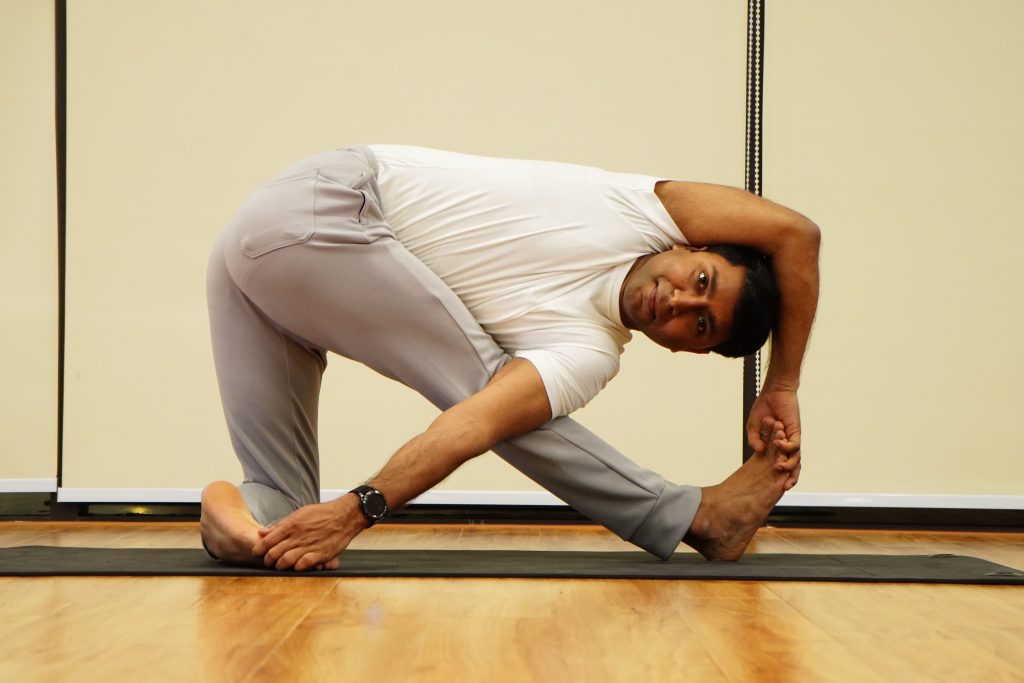
The vagus nerve is crucial in promoting both your physical and mental well-being. Stretching from your brainstem to your stomach, it influences many vital areas, including the heart, lungs, and digestive system. Engaging in yoga practices designed to stimulate the vagus nerve can promote greater balance, relaxation, and overall well-being. Let’s explore how.
What is the Vagus Nerve?
The vagus nerve acts as a link, transmitting signals between your brain and body. It sends sensory information from your organs to your central nervous system, influencing functions such as digestion, heart rate, and emotional regulation. Activating this nerve through yoga and mindful breathing can result in notable benefits for both mental and physical health.
Why Is the Vagus Nerve Important?
When the vagus nerve functions well, it promotes a healthy balance between the “fight or flight” (sympathetic) and “rest and digest” (parasympathetic) responses. This balance helps you stay calm during stressful times and allows your body to recover and regenerate effectively. An irregular vagus nerve can lead to issues like anxiety, depression, migraines, and digestive problems.
Benefits of Vagus Nerve Stimulation
Stimulating the vagus nerve through yoga and breathing exercises can:
- Reduce stress and anxiety
- Improve digestion
- Relieve tension headaches
- Enhance memory and focus
- Boost your immune system
- Promote feelings of relaxation and calm
Simple Yoga Practices to Stimulate the Vagus Nerve
Here are some beginner-friendly yoga poses and techniques that can activate the vagus nerve and improve your well-being:
Straw Breathing (Kaki Pranayama)
- Inhale gently through your nose.
- Purse your lips as if holding a straw and exhale slowly.
- Once 80% of your air is out, close your mouth and exhale the remaining 20% through your nose.
- Repeat 2-3 times and notice how your body relaxes.
Eye Relaxation
- Place your palms over your closed eyes with gentle pressure.
- Stay in this position for a few moments to stimulate the oculocardiac reflex, which slows your heart rate and promotes relaxation.
- Alternatively, shift your focus between a nearby object and a distant point several times to reduce stress.
Neck Stretches
- Sit comfortably and tilt your right ear toward your right shoulder without turning your head.
- Hold for a few breaths and switch to the left side.
- This easy stretch relieves neck tension and activates this nerve.
Easy Seated Twist (Parivrtta Sukhasana)
- Sit cross-legged or on a chair.
- Place your left hand on your right knee and your right hand behind you.
- Breathe in to lengthen your spine and exhale to twist gently toward the right. Hold for a few breaths.
- Repeat on the other side. This pose massages your digestive organs and calms the nervous system.
Cat-Cow Pose
- Get into a tabletop position with your hands under your shoulders and your knees under your hips.
- Take a deep breath in, arch your back, and gaze upward (cow pose).
- Exhale as you curve your back and draw your chin toward your chest (cat pose).
- Repeat for 1-2 minutes to relax your spine and stimulate the vagus nerve.
Child’s Pose (Balasana)
- Sit on your knees and lower your body back onto your heels.
- Extend your arms forward and gently lower your forehead towards the floor.
- Breathe slowly and deeply to calm both your body and mind.
Waterfall Pose
- Position yourself on your back with a yoga block placed beneath your lower back.
- Lift your legs vertically toward the ceiling.
- Relax in this position for 10 breaths to improve circulation and calm the nervous system.
Tips for Success
- Start slow: If you feel dizzy or overwhelmed, take breaks and practice gently.
- Stay consistent: Regular practice helps improve vagal tone over time.
- Listen to your body: Pay attention to how you feel after each exercise and adjust accordingly.
By incorporating these simple yoga practices into your daily routine, you can naturally stimulate your vagus nerve, improve your health, and bring more balance to your life. Take a step toward a calmer, healthier you today!