


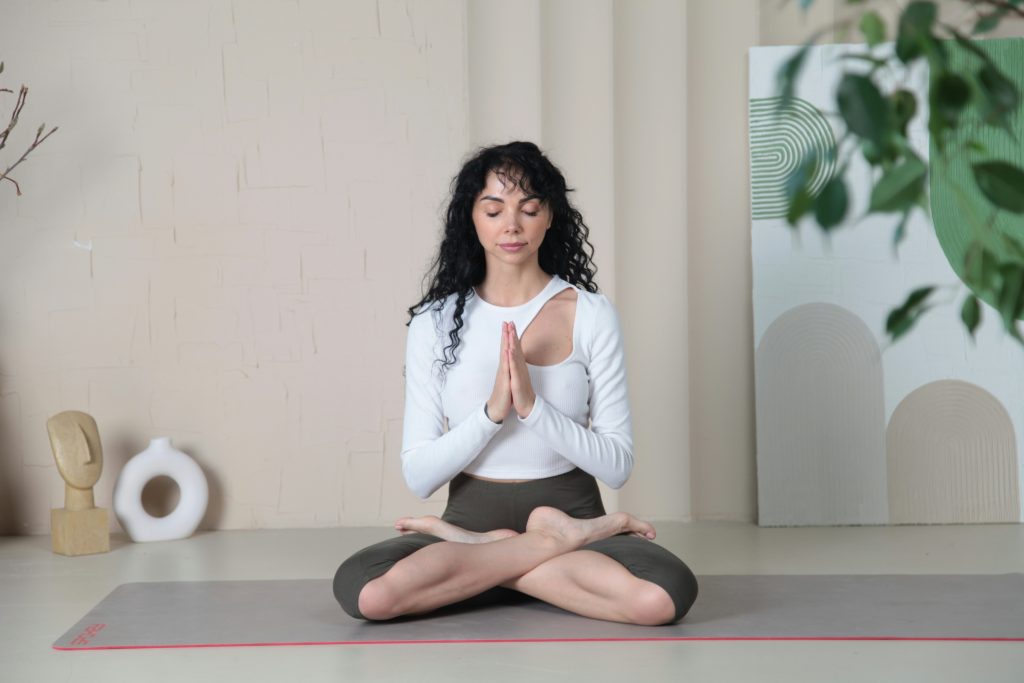
The way we sit or position ourselves during meditation is crucial, as it greatly influences the mindfulness and inner peace we experience in the practice. The right meditation posture helps maintain focus, improves relaxation, and supports both the mind and body. This article will delve into different meditation positions that cater to various needs and flexibility levels.
Why Meditation Position Matters?
While the Buddha is famously depicted sitting cross-legged under the Bodhi tree, the posture you choose for meditation doesn’t have to be a particular style to be effective. The most important thing is to find a position that allows your body to stay relaxed yet alert. Sitting properly helps prevent discomfort or pain, ensuring that your practice isn’t interrupted. Whether you choose to sit on the floor, in a chair, or even stand or lie down, each position can be effective if done mindfully.
Key Elements of Good Meditation Posture
Regardless of the position you choose, there are a few universal guidelines that will help you maintain a steady and comfortable posture during meditation:
- Spine: Keep your spine upright, avoiding slouching or arching too much. A natural curve in your lower back (lordotic curve) is ideal, which helps prevent back pain. Imagine a string gently pulling you upwards from the top of your head to maintain this posture.
- Shoulders: Relax your shoulders and let them drop down and back. This will help open your chest and improve your breathing.
- Chin: Slightly tuck your chin to elongate your neck and keep it in line with your spine. This helps maintain good posture and focus.
- Hands: You can place your hands on your knees, palms up or down, or rest them in your lap. Some traditions use symbolic hand gestures called mudras, but any position that feels balanced is fine.
Popular Meditation Positions
Explore different meditation postures to find the one that best supports your practice and comfort level. Whether you’re new to meditation or looking for variety, these positions can enhance your experience.
1. Quarter Lotus
The quarter lotus is a simple cross-legged position where one foot rests below the opposite knee. This is a beginner-friendly pose and can be done on a cushion or blanket to provide extra comfort. Ensure that your knees are not raised above your hips to avoid discomfort. If needed, support your lower back with a cushion or wall for stability.
2. Half Lotus
In the half lotus, one foot is placed on the opposite thigh. This position requires more flexibility in the hips and legs than the quarter lotus. If you experience knee discomfort, try stretching with a pigeon pose or reverse pigeon before attempting this position.
3. Full Lotus
The full lotus is an advanced posture in which both feet are placed on opposite thighs. This position requires significant hip and leg flexibility. It provides a strong sense of balance and stability but should be avoided if you have any knee or hip issues.
4. Burmese Position
In the Burmese position, both feet rest flat on the ground in front of the pelvis, with the knees on the floor. This is a simple and comfortable pose, especially for those who experience discomfort with cross-legged sitting.
5. Chair Meditation
Sitting in a chair can be as effective as sitting on the floor. Sit with your feet flat on the ground and your back straight, avoiding slouching. If needed, use a cushion or rolled-up blanket behind your lower back to maintain an upright posture. This is an ideal position if you have back pain or find sitting on the floor uncomfortable.
6. Seiza Pose
The seiza pose involves kneeling with your legs resting on the floor, often supported by a cushion or yoga block. This Japanese-style position helps align the spine and reduce lower body strain. It may be challenging for beginners, but using a cushion under the knees can make it more comfortable.
7. Standing Meditation
If sitting is not an option, standing meditation is a great alternative. Place your feet at shoulder-width and keep a gentle bend in your knees. Maintain a straight spine and concentrate on your breath. Standing meditation can help you stay alert and is often used in tai chi or qigong practices.
8. Lying Down Meditation
Lying down is an option if sitting causes discomfort. Lie on your back with your arms by your sides and your palms facing up. If needed, place a pillow under your head or knees for added comfort. However, be cautious, as lying down may lead to drowsiness, so try to stay awake and mindful.
Finding Your Ideal Position
It’s important to experiment and find the meditation positions that work best for you. Your body’s flexibility, health, and comfort level will influence your choice. The goal is not to force yourself into a particular pose but to find a position where you can relax, focus, and meditate effectively. Remember, meditation is about the practice of being present, and the way you sit should support that practice, not hinder it.
Whichever position you choose, aim to maintain a relaxed but alert posture. With practice, you’ll find the position that suits you and supports a deeper meditation experience.