


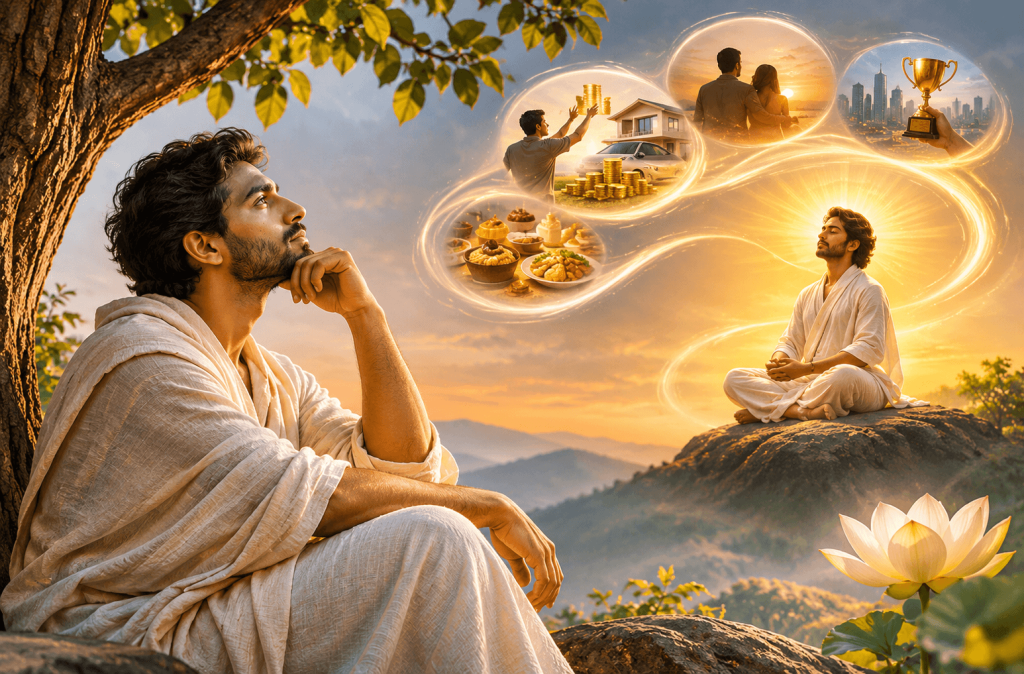
Spiritual awakening is a deeply transformative journey that leads you to a greater understanding of yourself and the universe. The stages of spiritual awakening are not linear but unfold in a unique sequence for each individual. As you progress through these stages, you’ll face moments of clarity, confusion, healing, and profound insights.
The key is to embrace each phase with patience and trust, knowing that each one plays a significant role in your personal growth. In this article, we’ll walk you through the different stages of spiritual awakening, offering valuable insights on what to expect and how to navigate this transformative process.
1. Seeking the Source of Suffering
The first stage of spiritual awakening often begins with dissatisfaction or discomfort in life. You may feel empty, confused, or unhappy, unable to pinpoint the cause of these feelings. This is often when people begin to question their existence and seek deeper meaning.
During this phase, it’s important to acknowledge and explore the sources of your suffering. By becoming aware of patterns in your life whether it’s physical pain, emotional struggles, or unfulfilled relationships—you begin the process of self-discovery and healing.
2. Questioning Beliefs and Expanding Perspectives
As you begin to explore the deeper aspects of your life, you might start to question the beliefs, values, and assumptions you’ve held for years. This is a natural part of the stages of spiritual awakening, as you challenge long-held perspectives and open yourself to new ideas.
You may begin to explore different religions, philosophies, or spiritual practices. This stage can be unsettling, as it pushes you out of your comfort zone, but it’s also liberating. The more open you are to learning and evolving, the more you discover about your true self and your purpose in life.
3. Interest in Spirituality and Mysticism
As you continue questioning your beliefs, you may feel drawn to spiritual practices and teachings that offer deeper insight into the mysteries of life. Meditation, yoga, mindfulness, prayer, or energy healing might pique your interest.
During this phase, you may explore various spiritual paths, seeking one that resonates with you. Trust your intuition during this stage, but also be mindful of where you feel aligned. It’s important to give yourself space to explore different practices, learn from experienced spiritual teachers, and connect with like-minded individuals for guidance and support.
4. Contemplation and Self-Reflection
Self-reflection becomes more prominent as you dive deeper into your spiritual awakening. You may spend more time in solitude, reflecting on existential questions like “Who am I?” and “Why am I here?” During this time, you’ll examine your thoughts, emotions, and actions, understanding how they influence your reality.
Practices like journaling, spending time in nature, or meditation become valuable tools for deepening your self-awareness. This stage often involves significant personal growth as you start to understand your true nature and life’s purpose.
5. Confusion and Disillusionment
As you continue your journey, confusion and doubt may arise. You might question the validity of your past spiritual experiences and feel uncertain about your path. This stage can be challenging as you try to reconcile your inner experiences with the outer world. You may feel disillusioned if your expectations of spiritual awakening haven’t been met or if the answers you seek are not immediately clear.
It’s important to remember that this confusion is a natural part of the process. Be patient with yourself, and seek support from spiritual guides, mentors, or communities who can help you navigate through these doubts.
6. Surrender and Acceptance of the Present Moment
In this stage, you begin to let go of the need for control. Surrendering doesn’t mean giving up; it means accepting what is happening in your life without resistance. By embracing the present moment and trusting the flow of life, you release the need to constantly struggle or fix things.
This acceptance brings peace and allows you to see the bigger picture. Surrendering also helps you to connect with a deeper sense of trust in yourself, others, and the universe.
7. Healing and Integration
The healing stage is where you start to integrate the lessons learned from your spiritual journey into your daily life. You work on healing emotional wounds, releasing past traumas, and embracing personal growth. This is where the practice of emotional release—through crying, expressing anger healthily, or engaging in physical activities—becomes crucial. By doing this, you free yourself from stress and emotional baggage, allowing you to heal physically, emotionally, and spiritually. It’s important to remember that healing is a continuous process that involves acceptance and self-compassion.
8. Transcendence
Transcendence represents the peak of spiritual awakening. It’s the point where the ego dissolves, and you experience a deep sense of oneness with the universe. In this stage, you no longer see yourself as separate from the world but as an integral part of a greater whole.
Transcendence is often described as a state of pure awareness, bliss, and universal love. This realization of interconnectedness leads to a profound shift in consciousness and spiritual freedom. While transcendence is the ultimate goal of many spiritual paths, it is important to remember that it’s a gradual process that evolves over time.
9. Integration and Continued Growth
Even after reaching higher levels of awareness, your spiritual journey is not over. At the final stage of awakening, you understand that personal growth is a continuous, cyclical process. As you integrate your spiritual experiences into your everyday life, you realize that there will always be new lessons to learn and deeper truths to uncover. The path of spiritual awakening is continuous, with each stage offering fresh insights and challenges that foster further growth.
Embracing the Journey of Spiritual Awakening
Spiritual awakening is an ongoing journey of self-discovery, healing, and growth rather than a final destination. Each stage of the process offers valuable lessons that contribute to your spiritual evolution. Remember that everyone’s journey is unique, and it’s important to honor your own path as you move through these stages of spiritual awakening. Be kind, patient, and open with yourself, understanding that every step takes you closer to realizing your true self and your deeper connection with the universe.